
Youth Uyghur Cultural
Heritage Club

Club Introduction
Welcome to the Youth Uyghur Cultural Heritage Club! This club was founded by my brother (Zulekaer) and me (Zupukaer) with the goal of helping Uyghur people living abroad remember and cherish their cultural heritage. We believe that through organizing various activities and projects, we can keep Uyghur culture alive globally and ensure that every Uyghur remains connected to their roots.

About Us
The Youth Uyghur Cultural Heritage Club is a global cultural organization founded by group of dedicated high school students. Our goal is to involve more young people and promote the preservation of Uyghur culture. We regularly host various activities such as cultural lectures, traditional craft workshops, and festival celebrations. We invite everyone to join us, learn, and share in our cultural heritage.
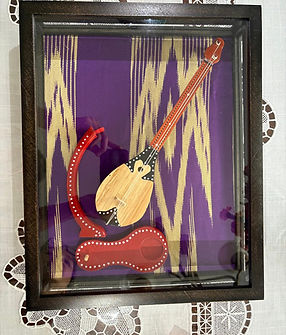
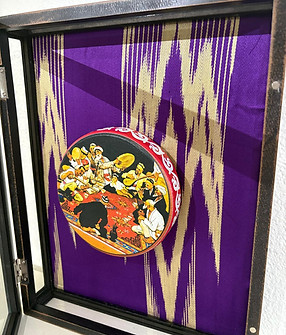
Our online store features handcrafted display boxes and miniature models of traditional Uyghur musical instruments.
.jpeg)
.jpeg)
Club Founders
Zupukaer: My name is Zu, I am an American high school student, and I am a Uyghur. I also have some Uyghur friends, but I found that they gradually forget their own culture after staying in other cultural circles for a long time. I hope that the club I created can help more Uyghurs understand their own culture and language. With this goal, I hope that our club can gradually flourish.
Zulekaer: My name is Zulekaer. Just like my brother, I am an American high school student and also Uyghur. As a Uyghur, I believe we shouldn't forget our culture when we join another cultural environment. That is why my brother and I started this club to help Uyghur people living abroad remember and cherish their cultural heritage, and also to let more people get to know our culture better.
Daniel Wu: "Hello, my name is Daniel, A high school students and also Uyghur. We created this club to introduce The Uyghur culture and language. As one of the 56 ethnic communities in China, the Uyghur people have a long history and are well-known for their food and music. We hope this platform will help everyone connect with and become more interested in this unique culture. ”
Background

About Uyghurs
The Uyghurs are a Turkic ethnic group living mainly in the Xinjiang Uighur Autonomous Region of China. They have a rich culture and intangible heritage that blends Turkic, Persian and Chinese influences. Traditionally, the Uyghurs are predominantly Muslim, with Islam playing a central role in their cultural identity. The Uyghur language belongs to the Turkic language family and is written in a modified Arabic script. Historically, the Xinjiang region has been a crossroads of civilizations, and the Uyghurs have a rich and colorful music, dance and food culture that reflects their unique lifestyle and artistic style. Uyghur cuisine is known for its diversity and unique flavors, such as the famous lahman, polo and various types of noodles.
About our events
We prepared traditional food before the event started. We introduced them one by one while the guests were enjoying them and asked them to make kewab themselves. In the middle of the event, we introduced Uyghur culture and everyone talked to each other afterwards. This event means a lot to us. It is our first step and we hope to get more people to participate in the future.
Samsa

.jpeg)

Polo
Dapanji


Our Features
The Intangible Cultural Heritage of the Uyghur Nationality
01
Meshrep

02
Uyghur Muqam

Meshrep is a traditional gathering of the Uyghur people, which includes music, dance, poetry recitation, games and food. This activity is not only a form of entertainment, but also a symbol of community cohesion.
03
Uyghur Handicrafts

Uyghur Muqam is a performing art form that combines music, dance and drama. It contains twelve main repertoires, each of which includes dozens of different movements, covering different tempos from slow to fast. And in Uyghur language you say "mukam" instead of "muqam"
04
Uyghur Traditional Festivals

The Uyghurs are famous for their exquisite handicrafts, including carpet weaving, copperware making, embroidery and wood carving. These handicrafts are not only of practical value, but also reflect the artistic aesthetics and cultural traditions of the Uyghurs.
Uyghur traditional festivals such as Kurbanet (Sacrifice Festival) and Rosiet (Ramadan) are also regarded as important cultural heritage. These festivals are not only religious activities, but also important moments of community celebration and social interaction.
05
Uyghur dance and music
The Uyghurs have a rich variety of dance and music, such as Sama Dance and Dap drum music. These art forms are often used in celebrations and social occasions and have a strong sense of rhythm and expression.


Uyghur's Language


Uyghur is a Turkic language, and its the mother language for Uyghur peopel. It belongs to the Karluk branch of the Turkic language family, which also includes languages like Uzbek and Kazakh.
In the past, Uyghur has been written in other two scripts:
Latin Script:Used in the mid-20th century as part of a language reform.
Cyrillic Script: Employed during the Soviet era for administrative and educational purposes.
The modern Uyghur language uses the Uyghur Arabic script, which is derived from the Arabic script. This script has 32 letters, including several unique characters to represent sounds specific to Uyghur. It is written from right to left, similar to Arabic.
The language has a rich vocabulary with influences from Arabic, Persian, and Chinese, which make it unique from every forien elements.
Uyghur cuisine
Lagman – A hearty, hand-pulled noodle dish typically served with a savory broth and a mix of vegetables and meat. It’s one of the most iconic Uyghur dishes.

Kebabs (Kawap) – Skewered and grilled chunks of meat, often lamb, seasoned with spices. They're a favorite street food and a staple at gatherings.

Dumplings (Manta) – Steamed dumplings filled with spiced meat, often lamb or beef, and sometimes mixed with onions. They’re often served with a garlic yogurt sauce.

Polo (Pilaf) – A flavorful rice dish cooked with meat (usually lamb), carrots, and spices. It’s a comfort food staple in Uyghur cuisine.

If you really wanna know all of the delicious food of Uyghur's, trust me this is just a start of it.


Naan – Uyghur-style flatbread that's often served with meals. It can be stuffed with various fillings or served plain.


Samsa – Pastry filled with spiced meat or vegetables, similar to a savory turnover. They’re commonly enjoyed as a snack or appetizer.


Join Us
Become a part of our effort to preserve and celebrate Uyghur culture! Our club is dedicated to keeping Uyghur traditions alive, especially for those living abroad. If you're passionate about Uyghur heritage or want to contribute to its preservation, we would love to have you on board (please contact us in email). By joining us, you can help amplify our impact and ensure that this rich cultural legacy continues to thrive. Get involved today and help us spread and sustain Uyghur culture!